2025
SelfProject
Pedalio: Peer to peer Bicycle Renting App
Pedalio is a peer-to-peer bicycle renting app that lets users seamlessly rent bikes or list their own, making cycling simple, safe, and sustainable
Pedalio is a peer-to-peer bicycle renting app that lets users seamlessly rent bikes or list their own, making cycling simple, safe, and sustainable

How it started ?
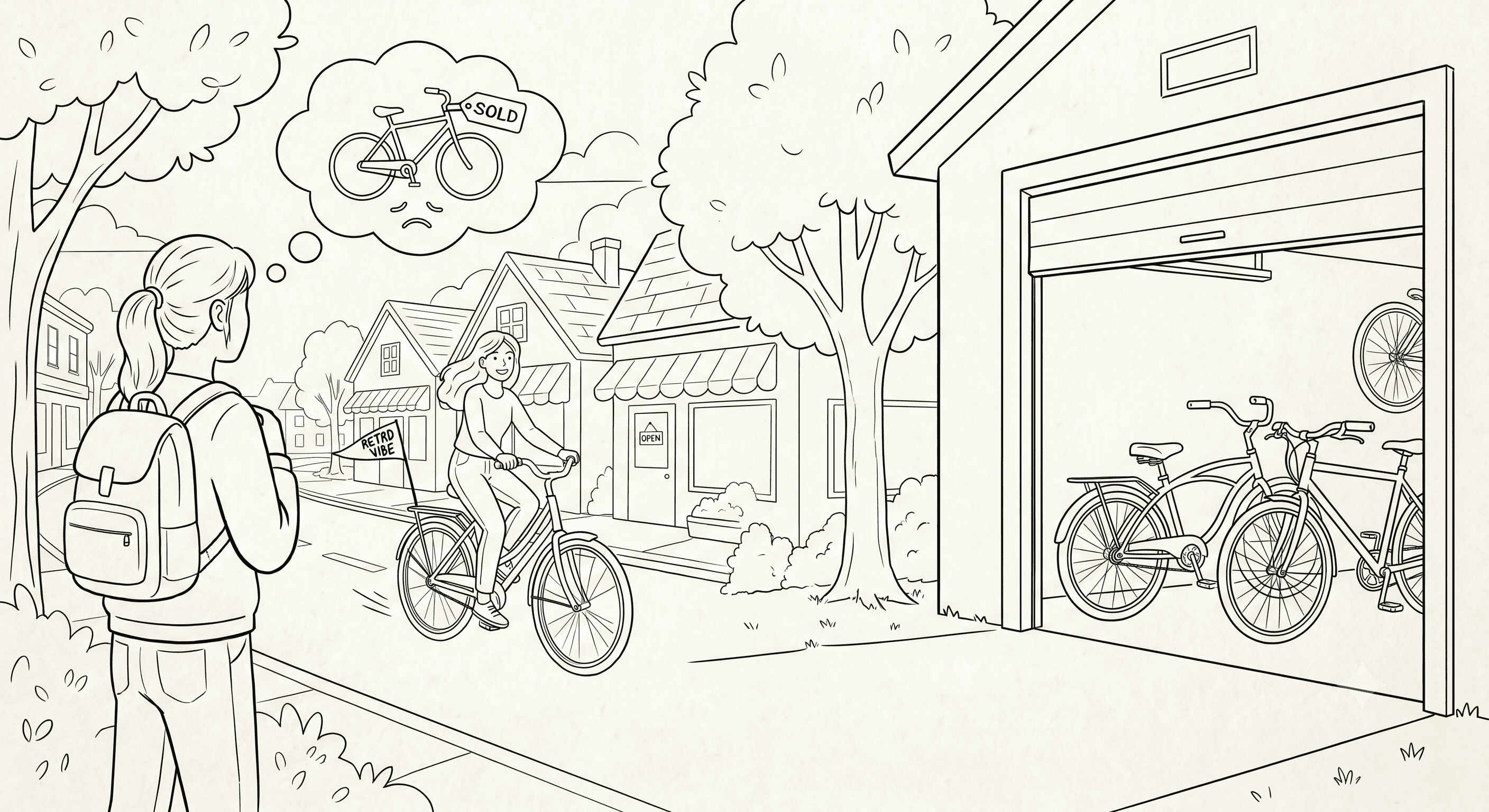
While visiting my hometown, I saw someone riding a bike and it reminded me of the one I sold years ago. That’s when it hit me finding a bike to rent locally is still not easy, and many bike owners have unused cycles just lying around. This sparked the idea of a simple platform that connects bike owners with people who want to rent
While visiting my hometown, I saw someone riding a bike and it reminded me of the one I sold years ago. That’s when it hit me finding a bike to rent locally is still not easy, and many bike owners have unused cycles just lying around. This sparked the idea of a simple platform that connects bike owners with people who want to rent



Solution
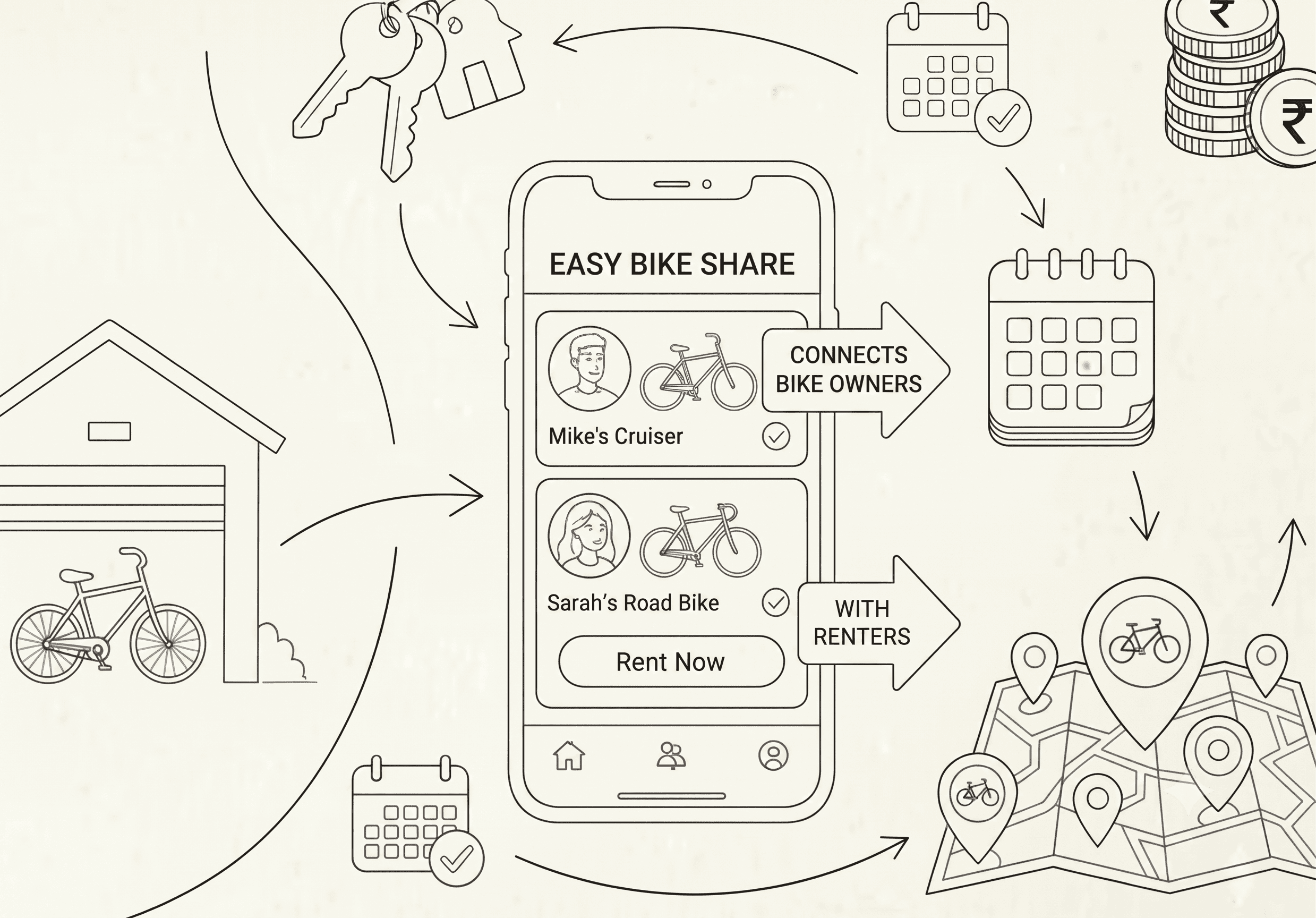
To design a peer-to-peer bicycle renting platform that seamlessly connects bike owners with renters. The enable owners to list their unused bicycles and earn from them, while providing renters with a simple, safe, and convenient way to access bikes locally
To design a peer-to-peer bicycle renting platform that seamlessly connects bike owners with renters. The enable owners to list their unused bicycles and earn from them, while providing renters with a simple, safe, and convenient way to access bikes locally
Design Process
The design process I followed involved competitors and user analysis, prototyping, testing and design to create a user-friendly and intuitive applicationgh primary research conducted via surveys, I gathered direct insights from users about their cycling habits, rental preferences, and challenges, helping identify real needs and validate design decisions
The design process I followed involved competitors and user analysis, prototyping, testing and design to create a user-friendly and intuitive applicationgh primary research conducted via surveys, I gathered direct insights from users about their cycling habits, rental preferences, and challenges, helping identify real needs and validate design decisions

Secondary Research
Before jumping into design, I wanted to understand the bigger picture of peer-to-peer bicycle renting. Since the idea touches multiple stakeholders renters, owners, and even policymakers, I dug into research papers and case studies around bike sharing and collaborative consumption.
A few insights really stood out to me:
Before jumping into design, I wanted to understand the bigger picture of peer-to-peer bicycle renting. Since the idea touches multiple stakeholders renters, owners, and even policymakers, I dug into research papers and case studies around bike sharing and collaborative consumption.
A few insights really stood out to me:

Who rents bikes and why:
Studies show that people often rent bikes for short trips under 5 km especially in Indian cities where this is a large share of daily travel.
Renters are usually motivated by health benefits, environmental consciousness, and affordability.
Studies show that people often rent bikes for short trips under 5 km especially in Indian cities where this is a large share of daily travel.
Renters are usually motivated by health benefits, environmental consciousness, and affordability.
Who lists bikes and why they hesitate:
Research on peer-to-peer mobility (cars, bikes, cargo bikes) reveals that people are willing to share if they feel protected against theft or damage
Owners hesitate when the process feels like “too much work,” so the platform needs to make listing a bike as easy and low-risk as possible
Research on peer-to-peer mobility (cars, bikes, cargo bikes) reveals that people are willing to share if they feel protected against theft or damage
Owners hesitate when the process feels like “too much work,” so the platform needs to make listing a bike as easy and low-risk as possible
The trust gap:
Almost every paper emphasized that trust is the bottleneck.
Features like identity verification, security deposits, insurance, and photo check-ins were highlighted as ways to reduce fear for both owners and renters.
Almost every paper emphasized that trust is the bottleneck.
Features like identity verification, security deposits, insurance, and photo check-ins were highlighted as ways to reduce fear for both owners and renters.
Primary Research
Five semi-structured interviews were conducted (3 potential renters, 2 bike owners) in Pune. Sessions lasted 30–45 minutes covering motivations, current behaviours, pain points, and attitudes toward lending or borrowing personal assets from strangers.
Five semi-structured interviews were conducted (3 potential renters, 2 bike owners) in Pune. Sessions lasted 30–45 minutes covering motivations, current behaviours, pain points, and attitudes toward lending or borrowing personal assets from strangers.

Findings from Primary Research
Spontaneous need: Rentals are unplanned, people want a bike right now, not tomorrow
Trust & safety concerns on both sides: Renters want reviews; owners want protection from damage
No existing local P2P solution: All current options are docked, metro-only, or global
Owners want passive income, not effort: Listing should take minutes with minimal ongoing management
Fear of damage / theft: Owners need recourse, this was the top blocker for lending
Mobile-first, quick flow needed: Both personas expect a smartphone-native, two-tap experience
Spontaneous need: Rentals are unplanned, people want a bike right now, not tomorrow
Users emphasized the importance of price, bike condition, and availability, while many owners showed willingness to share their cycles, reinforcing the peer-to-peer model. Additionally, expectations such as flexibility, clear details, reliable support, and useful add-ons highlighted opportunities to create a smoother and more trustworthy experience.


Competitor Analysis
Through benchmarking similar apps, I explored how navigation is structured, what best practices the industry follows, and which heuristic principles can enhance usability
Conducted feature based benchmarking for four similar apps:
Through benchmarking similar apps, I explored how navigation is structured, what best practices the industry follows, and which heuristic principles can enhance usability
Conducted feature based benchmarking for four similar apps:


Key Insights
Map View as Dominant Home Feature
Lime and Ola prominently feature a map view
Go Bikes and Royal Brothers focus on planned rentals
Lime and Ola prominently feature a map view
Go Bikes and Royal Brothers focus on planned rentals
Journey/Destination Search
Ola uniquely places a destination search.
Other apps support either instant rides or planned rentals
Ola uniquely places a destination search.
Other apps support either instant rides or planned rentals
Vehicle Listing and Booking
Go Bikes, Ola, and Royal Brothers emphasize a vehicle list
Go Bikes and Royal Brothers include “Book Now” buttons directly on vehicle cards
Lime focuses on scanning/locating bikes
Go Bikes, Ola, and Royal Brothers emphasize a vehicle list
Go Bikes and Royal Brothers include “Book Now” buttons directly on vehicle cards
Lime focuses on scanning/locating bikes
Personalization and Guidance
Ola and Royal Brothers provide personalization features
All apps include promotional banners, user account shortcuts, and help/support links.
Only Ola and Royal Brothers include “How It Works” or FAQ
Ola and Royal Brothers provide personalization features
All apps include promotional banners, user account shortcuts, and help/support links.
Only Ola and Royal Brothers include “How It Works” or FAQ
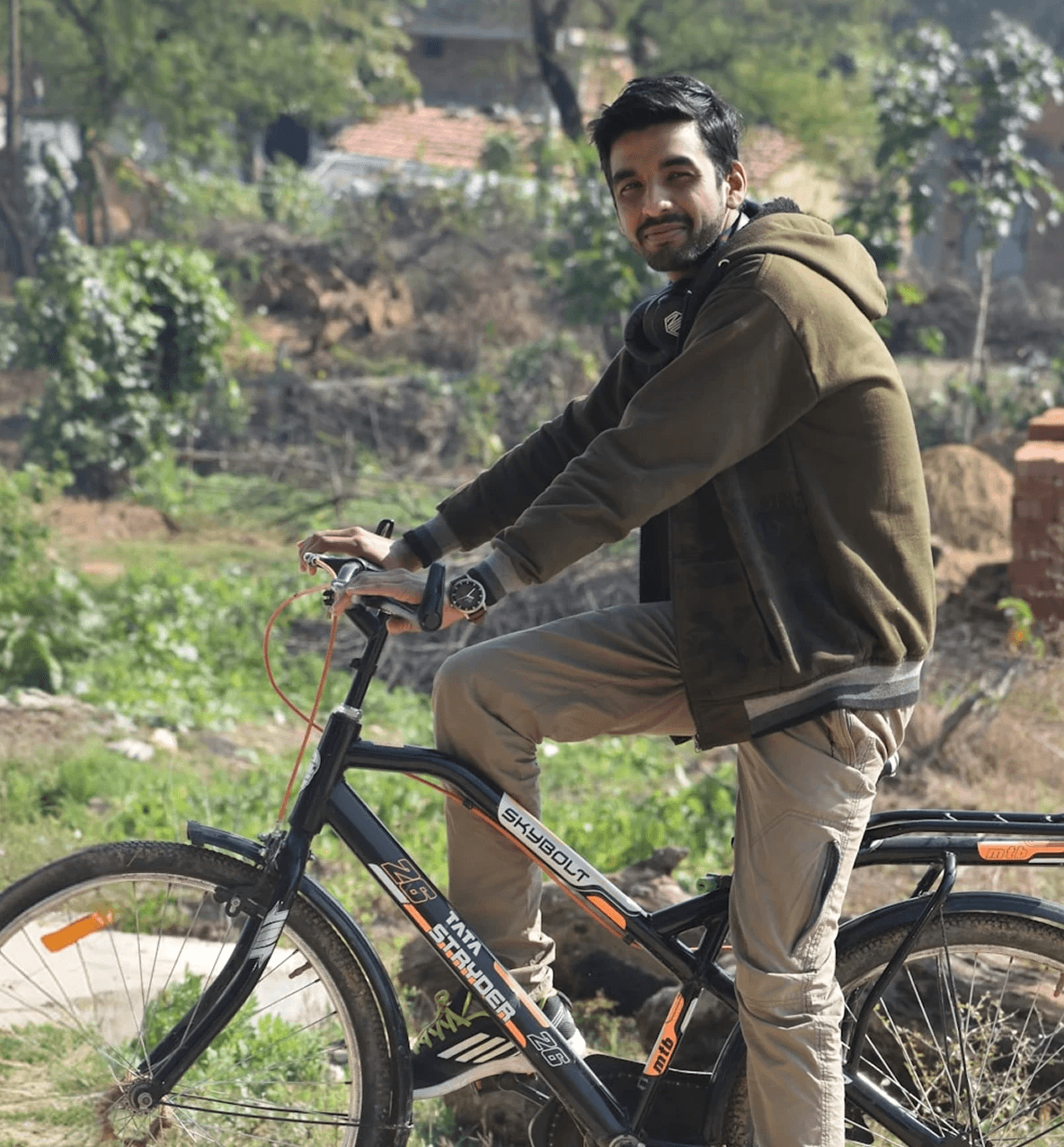

Research insights were synthesised into user personas, a sharp problem statement, an empathy-mapped user journey, and three foundational design principles
Research insights were synthesised into user personas, a sharp problem statement, an empathy-mapped user journey, and three foundational design principles
User Persona

Mapping problems and solutions


User Journey Map
Mapping Rohan's emotional experience trying to rent a bike for a Sunday morning ride. The journey shows the collapse from initial excitement to complete abandonment the opportunity CycleShare addresses
Mapping Rohan's emotional experience trying to rent a bike for a Sunday morning ride. The journey shows the collapse from initial excitement to complete abandonment the opportunity CycleShare addresses

With a clear problem and personas, I began with ideation, generating How Might We questions, prioritising features, and mapping the information architecture for both sides of the platform
With a clear problem and personas, I began with ideation, generating How Might We questions, prioritising features, and mapping the information architecture for both sides of the platform

MoSCoW

Information Architecture
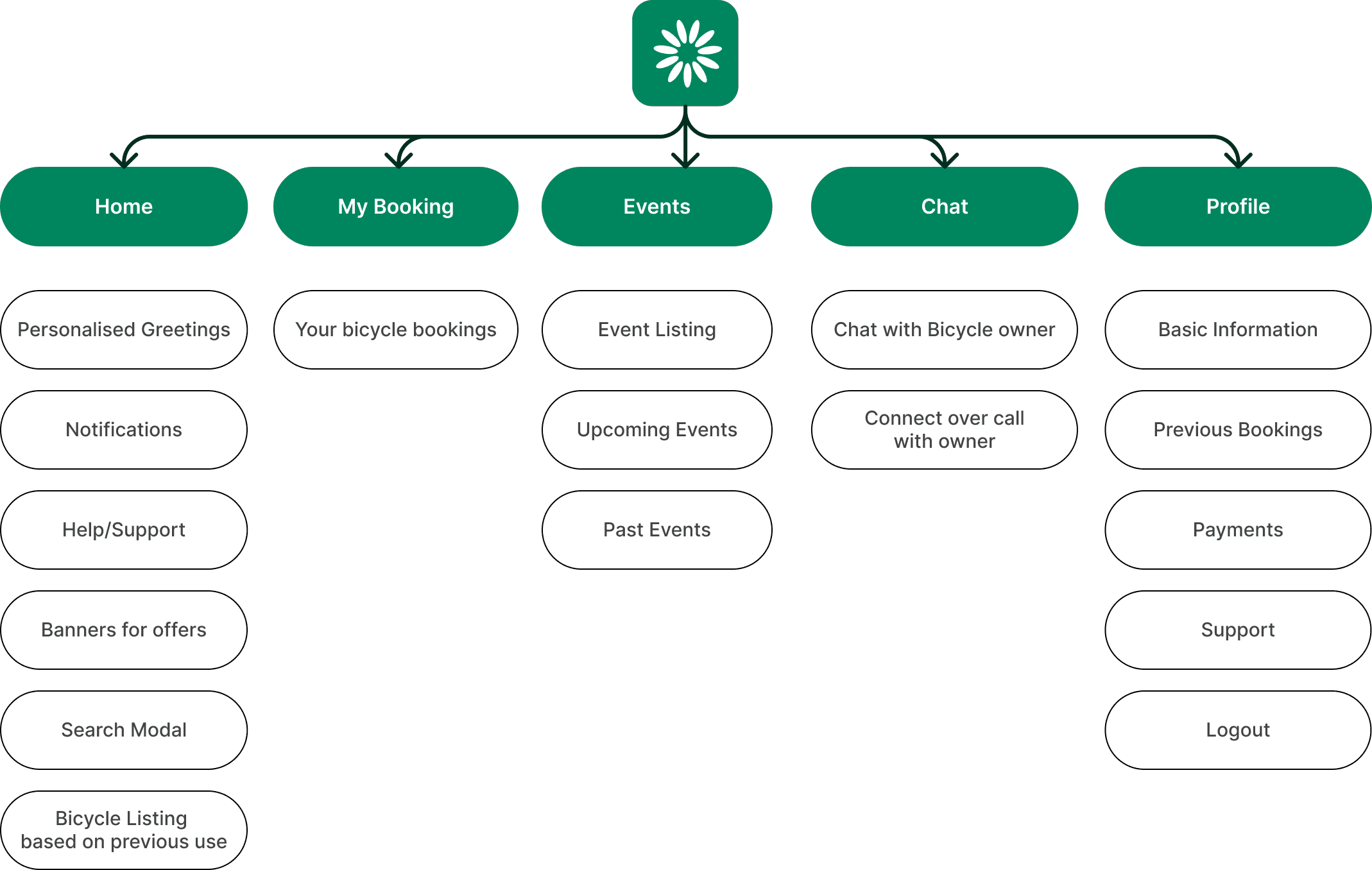
Through information architecture, I organized the app’s content and features into a clear hierarchy, defined intuitive navigation paths, and ensured users can easily find what they need without confusion
Through information architecture, I organized the app’s content and features into a clear hierarchy, defined intuitive navigation paths, and ensured users can easily find what they need without confusion
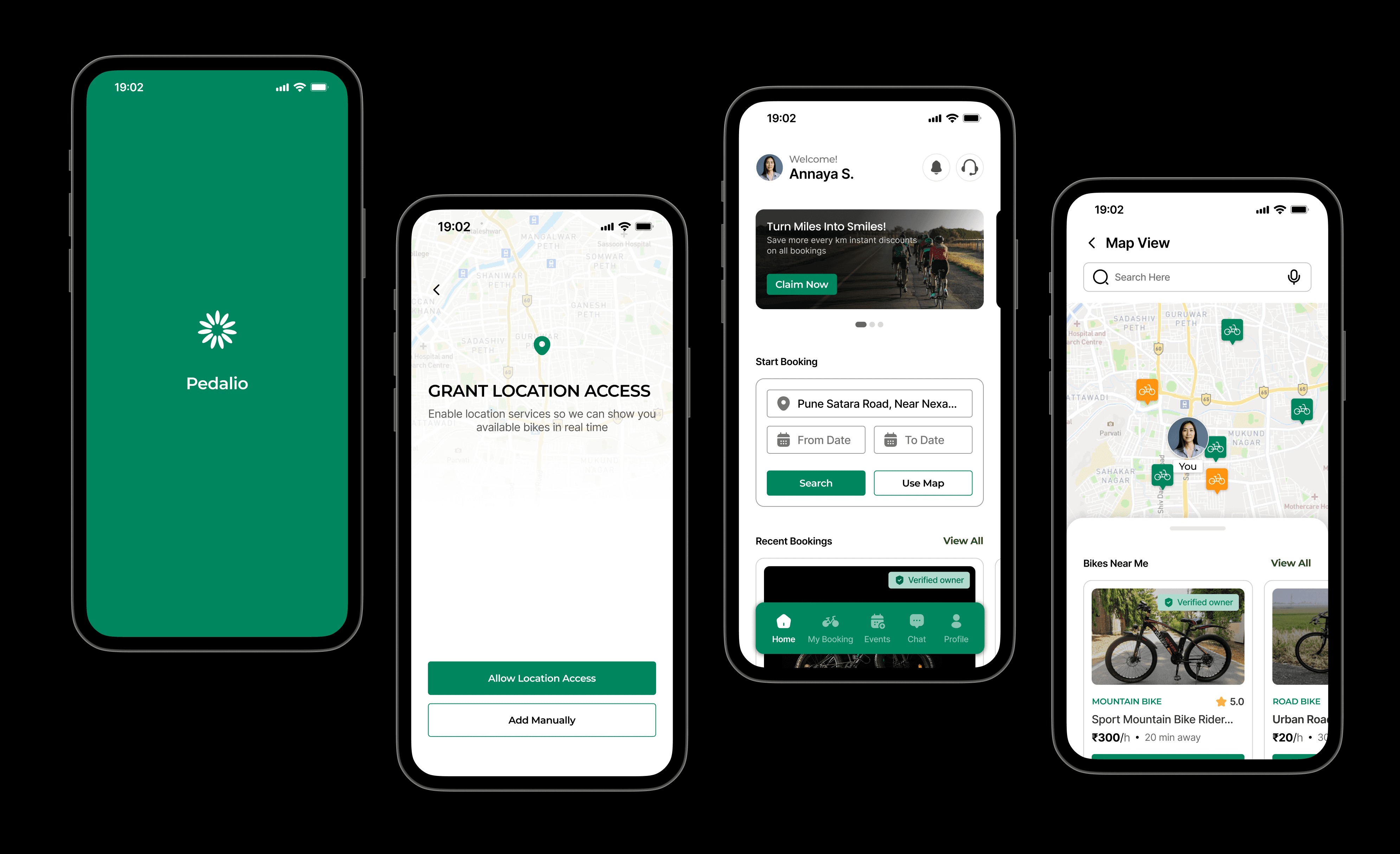
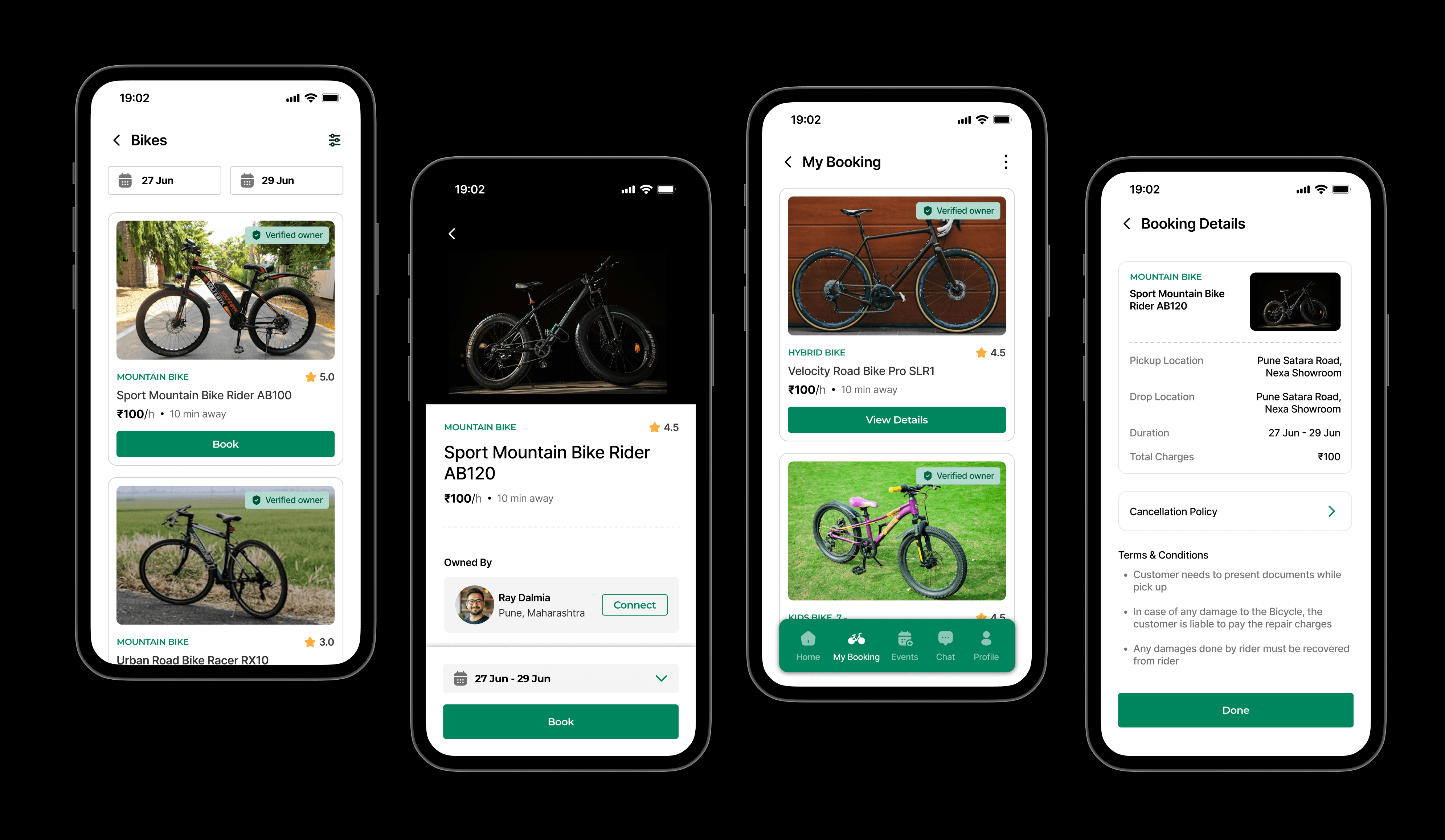
Screens
Key Learnings
